


For many creators, one good image is never enough
A product photo may need more angles for a listing, a character concept may need additional views for reference, and a campaign visual may need fresh compositions for different placements. That is why tools that can extend the value of a single image have become much more useful in real creative work.
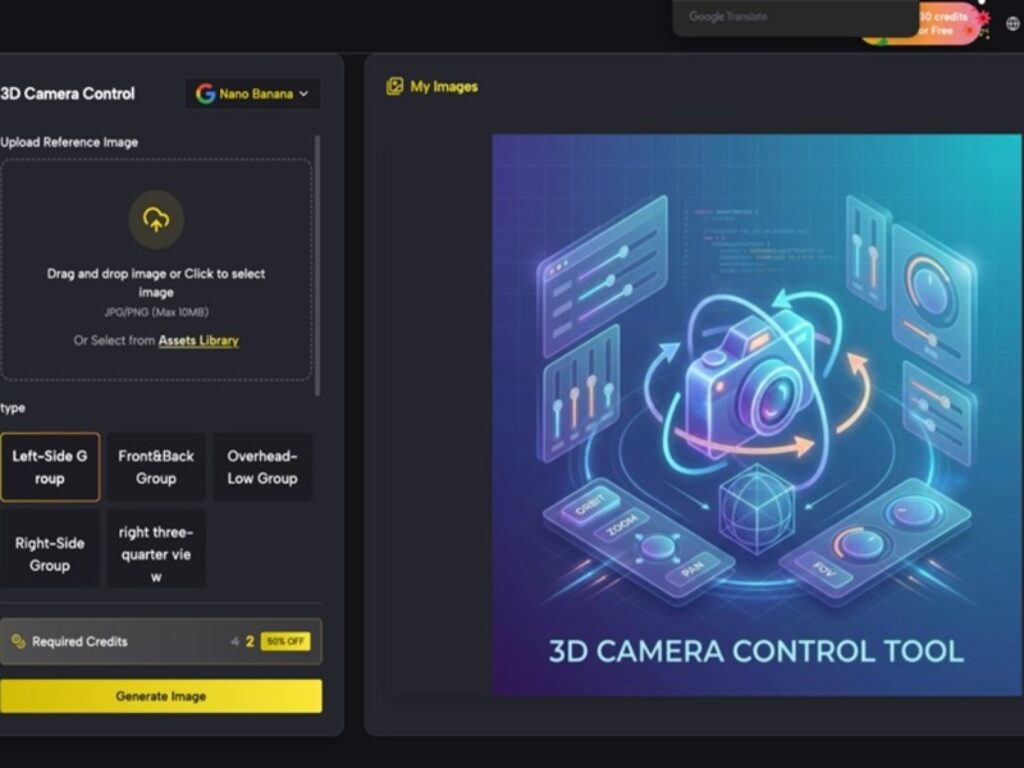
If you are looking for a practical 3D Camera Control tool, SuperMaker offers a focused solution built around that exact need. Instead of asking users to rebuild a scene manually, the page is designed to help generate multiple viewpoints from one uploaded image, with support for different aspect ratios, 1 to 4 outputs, and a clean upload → generate → download workflow.


Why This 3D Camera Control Tool Feels Useful Right Away
What makes this page easy to appreciate is that the value is clear from the start. SuperMaker is not trying to position this tool as a vague all-purpose AI image generator. It is solving a very specific problem: how to create alternate views from one image while keeping the subject visually stable. That makes the page immediately relevant for people who work with product visuals, design concepts, content assets, or character references.
Made for controlled perspective changes
A strong part of the positioning is the emphasis on control. The page says users can manipulate camera perspective across the X, Y, and Z axes, which suggests that the output is meant to feel more intentional than random. That is important because when people need different angles, they usually do not want the AI to reinvent the image completely. They want the same subject, just seen from another view.
Built to keep details consistent
SuperMaker also highlights smart depth mapping, character retention, and multi-view consistency. In practical terms, that means the tool is presented as a way to preserve the original subject’s key details while changing the viewing angle. For product images, character designs, and brand visuals, consistency is often what determines whether a tool is actually useful or just visually interesting.
The Best Features of 3D Camera Control
The page includes several concrete features that make it easy to write about and easy for readers to understand. Instead of relying on broad AI language, SuperMaker shows users exactly what the tool supports and how the workflow is structured. That clarity is one of the strongest parts of the page.
Flexible input and output options
Users can upload JPG or PNG images up to 10MB, choose from aspect ratios such as 16:9, 1:1, 9:16, and 21:9, and generate 1, 2, 3, or 4 images in one run. This matters because the same tool can serve different needs without forcing users into one format. A marketer may want vertical assets for short-form content, while a seller may want square images for product listings, and a designer may want several views at once for concept work. ƒ
A simple workflow that does not feel technical
Another strong feature is the ease of use. The page presents the process as Upload Your Photo, Click Generate, and Download Result. Even though the technology behind the output may be complex, the user experience is kept simple. That is a big advantage because many people who need alternate camera views are not 3D specialists and do not want to work inside complicated rendering software.
Cloud-based access for faster creation
SuperMaker also describes the tool as cloud-based, which means users can work directly online without installing heavy software. That lowers the barrier for freelancers, small teams, and business users who want fast output without adding another complex tool to their workflow. Convenience is not the only selling point here, but it is definitely one of the reasons the page feels practical.


How 3D Camera Control Fits into Real Creative Work
The biggest appeal of this tool is that it helps one image do more work. Instead of treating an uploaded visual as a single finished asset, SuperMaker turns it into a starting point for multiple viewpoints. That shift is useful because many content and design tasks do not fail from lack of ideas; they fail because teams do not have enough usable variations from the assets they already own.
Turning one image into several usable assets
A single product shot can become several additional views for a store page. A single character design can become a more complete reference for illustration or game work. A campaign visual can be extended into multiple layouts for different placements. This is an inference from the page’s use cases and workflow, but it matches the way the product is presented and helps explain why the feature is valuable in everyday production.
Useful for both beginners and teams
The page also makes sense because it speaks to more than one type of user. SuperMaker specifically mentions game developers, e-commerce sellers, digital artists, marketing agencies, architects, and social media content creators. That variety works because the tool solves a basic visual problem that appears in many industries: the need for more angles, more variations, and more usable output from one source image.
Who Gets the Most Value from This Tool
Not every AI image tool has a clear audience, but this page does a relatively good job of showing where the strongest value lies. The use cases are broad, but they are not random. They all connect back to the same practical benefit: getting more visual options without starting from scratch.
Helpful for art, design, and game workflows
For digital artists and game developers, the tool can help generate extra angles for characters, props, and early visual references. That can speed up concept development and reduce the amount of manual redraw work needed in early stages.
Strong value for e-commerce and marketing teams
For e-commerce sellers and marketing teams, the value is even easier to see. The page suggests that one product image can be extended into more useful views for listings, campaigns, and promotional content. That can reduce the need for extra reshoots and help teams get more value from the assets they already have.
Final Thoughts
SuperMaker’s 3D Camera Control page works because it focuses on a clear creative need and presents the solution in a simple way. Its strongest features are multi-angle generation, consistent subject details, flexible aspect ratios, 1–4 image outputs, and an easy upload, generate, download workflow. Those are the kinds of features that make a tool genuinely useful, not just visually impressive.
For creators and teams who want more value from one image, this tool is easy to understand and easy to try. It turns a single visual into a broader set of assets, and that alone makes 3D Camera Control a strong angle for an external article.